




How to Style an Oversized Football Jersey for Daily Wear
When the jersey is hanging, it may only look “large”. The problem only becomes apparent when worn on: the bust has room, but the shoulders, sleeves, and length may not be in harmony, and the neckline and hem may deviate from the originally intended state.
So, when it comes to how to style an oversized football jersey, don’t worry about pants and shoes just yet. Only by clearly looking at the jersey itself can the single wear, overlapping wear and color matching at the back be justified. This refers to the daily wearing of American football jerseys, not the game equipment plan.
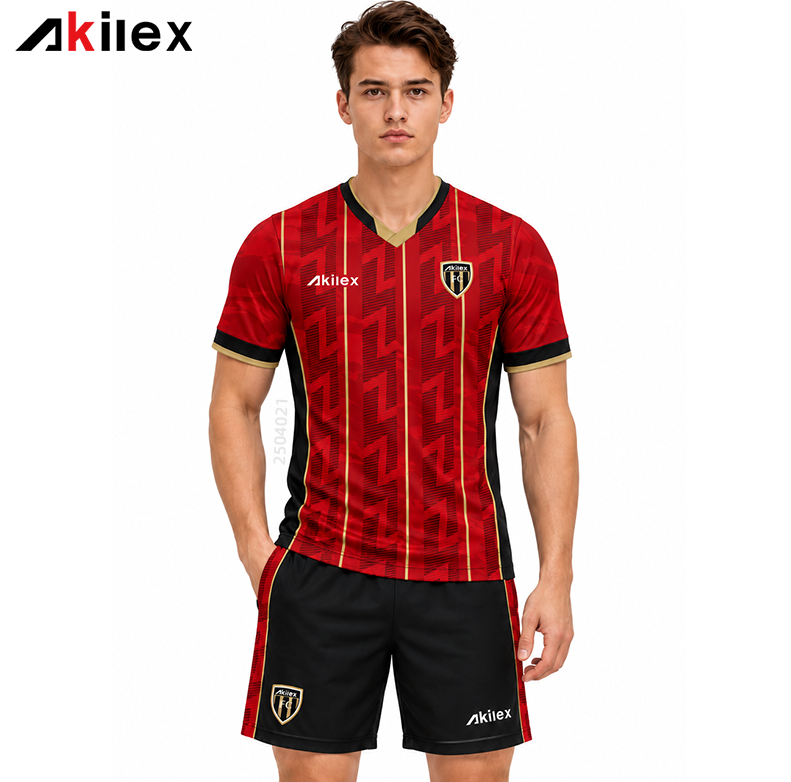
Look At The Fit First, Not Just The Size Label
Oversized may be a specially designed wide fit, or it may just be a regular size that’s been bought too big. M, XL, or digital codes cannot distinguish between these two situations because body size, ready-to-wear size, and size labels are not the same thing.
Body size refers to people, while ready-to-wear size refers to clothes. To determine how wide and long a jersey is, look at the chest width, length, shoulder width, sleeve length, and armholes, not just the number on the label.
I have a top on hand that is suitable and has a similar purpose, so I can compare it directly. Lay the garment flat, measure the chest width, length, and sleeve length, and then measure the target jersey using the same starting and ending points. Because of different measurement methods, there is no point in directly comparing two numbers. A flat half-chest width cannot be used as an adult chest circumference.
You have to try them on after measuring. When standing naturally, look at the neckline, shoulder line, length and hem, then raise your arms, hug your arms and turn. Loose fit allows for room to move around, but not every area is as big as it should be. Restricted movement, continuous seam stretching, or obvious inconsistencies in shoulder, sleeve, and length all indicate that the fit or size must be rechecked.
Single Penetration And Overlapping Penetration Cannot Be Judged By The Same Way
When wearing it alone, the main factors to consider are the jersey’s own outline and activity level. Classic, cotton, striped, long-sleeved, or polo-neck styles can all be worn as casual tops. Player, fan, and retro versions are just different product identities and do not mean they have the same ready-to-wear size.
Covering hoodie, things will change. Performance or pro versions are generally closer to the body and may require more ready-to-wear allowance when layered; specially designed oversized versions may have already left room.
The most direct way is to put hoodie on first, then put on the jersey. See if the chest and shoulders can be accommodated, if the neckline is raised, if the armholes are natural, and if the hem and number position have changed. Instead of calculating exactly how many sizes larger the outer layer should be, it’s better to look at what the two garments look like when worn together.
Follow The Original Colors And Graphics Of The Jersey
Black, white, and gray are usually easier to fit into your everyday wardrobe. Vibrant, fluorescent, or metallic effects are more eye-catching and can be more complex to match. This is just a difference in the convenience of matching, and does not mean that the color quality is high or low.
Numbers, stripes, letters, and school team silhouettes are already common jersey elements used in street or campus sports styles. Hoodie, sweatpants, varsity jackets, and sneakers can also be incorporated into the same look. Existing jerseys already provide color, layering, and graphic cues, so there’s no need to apply the same style of clothing to everyone.
Everyday Attire Is Not Proof Of Competition
Football jersey may refer to English football, American football, rugby, or Australian rules football in different regions. This article discusses American football jerseys. Match products may need to accommodate protective gear, and their fit and number codes cannot be copied from English football tops.
Loose, layered, or cropped can all be used for everyday styling. Competition uniforms, training uniforms, warm-up uniforms and sports casual uniforms have different uses. Street sportswear is merely a style description and does not correspond to uniform fabric performance or competition standards. Just because someone is dressed appropriately on the street does not mean that this jersey can be used directly in official matches.
When Making Custom Products, Sizing And Care Are Also Handled
Akilex offers custom sportswear for projects such as rugby, and provides OEM and ODM services. The overall design can involve style, color scheme, fabric, and craftsmanship; team crests, brand logos, name numbers, and full-body patterns can be used to establish product identity; structural details such as collars, cuffs, and hems are also customizable. Related sports and leisure products can be used for daily team wear, fan merchandise, and club retail.
Once the pattern and style are finalized, the size will still need to be handled separately. Adults, children, and special needs use the corresponding patterns and measurement rules, and team orders can confirm the size ratio through samples or size samples. The bust, length, and sleeve length must be checked according to the size chart of the corresponding product.
Printed or custom sportswear is recommended to be washed inside out in water temperatures below 30℃, without bleach or dry cleaning. After washing, place in a cool and ventilated place to prevent the print from being exposed to direct sunlight for a long time. When ironing is required, keep the temperature below 110℃ and do not allow the iron to come into direct contact with the printing or heat transfer area. The specific care method is still based on the garment washing label.