




Can Football Jerseys Go in the Dryer? Read the Care Label
After the jersey is washed, the dryer is next to it. Can it be put in directly?
Some are okay, some aren’t.
Can football jerseys go in the dryer’s answer, not how strong the jersey looks or how many tracksuits have been washed in the past. Turn out the care label near the collar or side seam first. It is clearly written that the machine can be dried and then operated according to the specified temperature and program. Without this instruction, don’t guess a low temperature gear for it.
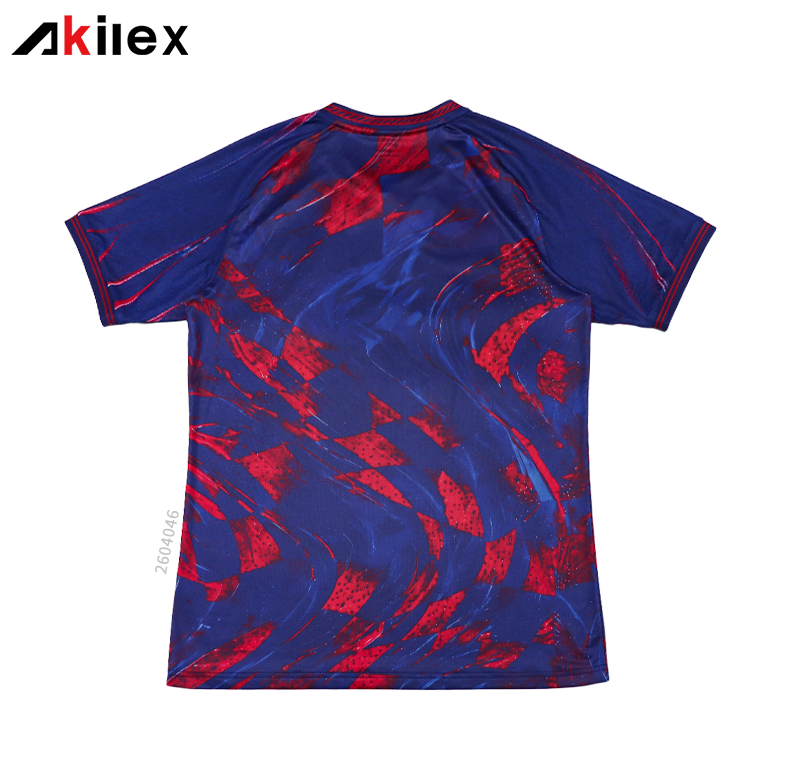
Can I Put a Football Jersey in the Dryer?
First, check the care label.
In the US market, garment care instructions need to account for washing or dry cleaning conditions, as well as water temperature, drying, ironing, bleaching methods and necessary warnings. Manufacturers or importers shall have reasonable grounds to support such statements. In other words, the washing mark is aimed at the clothes in front of you, which is more valuable than the thickness to the touch and the washing and protection experience of the previous jersey.
“Machine washable” is the easiest way to let your guard down.
These words only care about the section in the washing machine and do not allow the machine to dry at the same time. How to wash and dry the 1 jersey should be based on the machine program, water temperature, detergent, laundry load and decoration. The washing method meets the requirements and does not mean that the drying conditions can also be selected at will.
Standardized home washing and drying procedures are sometimes used in garment testing. This is done to repeat the test and compare samples, not to develop a common wash for all jerseys. When it comes to specific products, it still recognizes its own label.
Don’t let “polyester” dictate the entire jersey.
Sports jerseys are commonly made from polyester fabric. Seeing this word, many people will think that clothes should be quite resistant to tossing and turning, and it is not a big problem to bake them.
You can’t judge it that way.
The main body is polyester, but the neckline, cuffs, side panels, mesh and lining may be constructed differently. The thicker fabric or the 100% polyester mark does not indicate whether the whole jersey can be dried by machine.
Numbers and badges bring another layer of influence. The methods of sublimation, silk screen printing, thermal transfer printing, embroidery, silicone seal and large-area seal are different, and the local thickness, weight and performance after washing will also change. What really receives the drying treatment is the whole jersey, not just staring at the main fabric.
The number has been sewn on, should it be stable?
Nor necessarily. Adhesive material may still be used near the sewing area, and other parts of the garment may also have printing, film or surface coating. Looking firm now can only show that there is no edge warping or loosening for the time being, and it cannot be used as a reason to raise the drying temperature.
Will a Football Jersey Shrink in the Dryer?
There is a risk of shrinkage, but there is no fixed ratio to apply.
High temperature may change the size of the jersey, or it may first hurt the printing, numbers, badges, transfer patterns, stickers or surface coatings. Also written with polyester jerseys, the material structure, model number and batch are different, and the performance may not be the same after washing.
One home drying is less illustrative of the general results. To carefully judge the size change, it is necessary to compare the size before and after washing, check whether the clothes are distorted, and record the materials, specific model number, nursing conditions, cycle times and sample quantity. These conditions are not aligned, and it is of little significance to report a shrinkage percentage alone.
There is also a 1 approach that is more risky: buy a large jersey and want to dry it to fit it.
A dryer is not a garment alteration tool. After the temperature rises, the length, width and pieces of clothing may shrink differently, and this change is difficult to recover. Maybe the size hasn’t reached expectations, the number has cracked, the badge has begun to deglue, and the fabric has been damaged. Try baking once and don’t make the final size manageable.
When washing the jersey, the drying has already begun.
Printed and custom sportswear should generally be washed inside out in water no hotter than 30°C. Bleach is not recommended, nor is dry cleaning. Zipper the jersey, close it before washing. Avoid sharp accessories that are easy to scratch numbers, prints and logos. If the product label requires otherwise, follow the label.
When turning the jersey over, you can just check the number edges and badges. Whether the transfer part is warped or not and whether the seam is damaged can also be seen conveniently. The decoration has been severely cracked or loose, and it is not suitable for strong washing.
The stain is still there, so don’t bake it at high temperature, let alone iron it directly. As for the white jersey, the light color does not mean that chlorine bleach can be used, and the water temperature cannot be increased at will.
After washing, take it out and tidy up the wrinkled clothes first. The care label allows the machine to bake, then see if the number, badge and seam are currently intact, and then select the program specified by the label. If you don’t write that you can bake by machine, stop here and don’t take turns to try different gears.
Can I Dry a Football Jersey?
Dry, of course. The question is only in what way.
Without a clear machine drying permit, you can arrange your jerseys and dry them in a cool and ventilated place. Do not expose your prints and brand logos to direct sunlight for long periods of time. If the label is required to be laid flat, hung or other drying methods are used, just do it.
The surface of the clothes is not wet, and don’t put them into the cabinet immediately. There may still be moisture around thick numbers, stickers and seams, give it a little more time.
After completely drying, check whether the clothing body has obvious shrinkage or skew, whether the surface is pilling, whether the number and sticker are cracked and degummed, and whether there is color difference in different parts. Look 1 at the neckline, shoulder seams, armholes, side seams and hem. The seams are broken, the decoration is off, or sharp edges have been exposed. Deal with them before wearing them.